
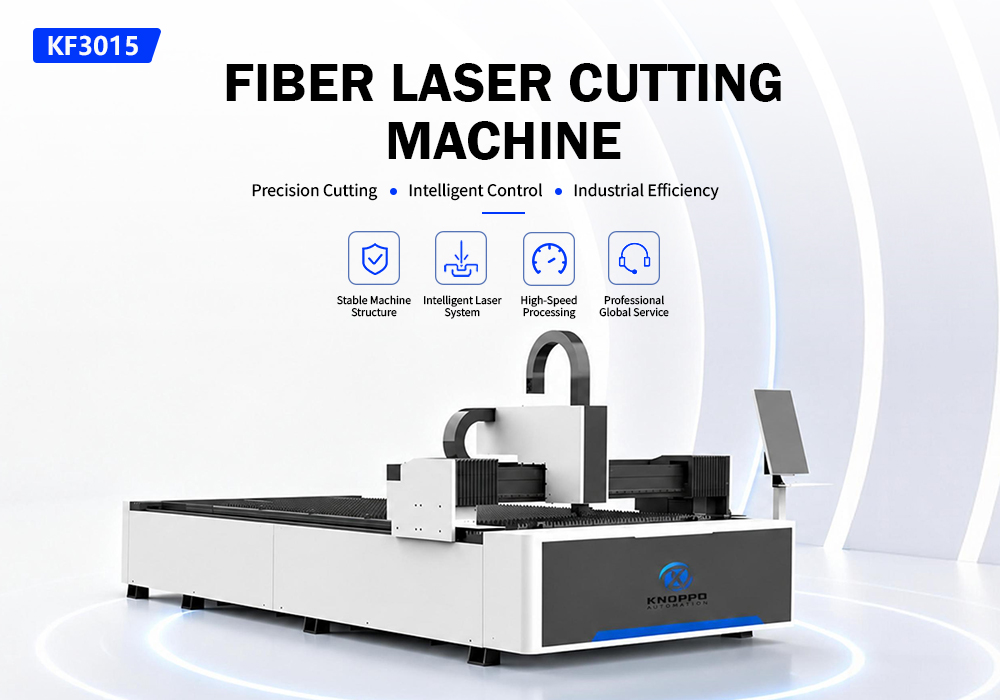
In today’s highly competitive manufacturing landscape, maximizing production speed while minimizing material waste is the key to profitability. For factory owners and sheet metal fabricators, upgrading to a high-efficiency industrial laser cutting machine is no longer just an option—it is a strategic necessity.
Whether you are cutting stainless steel, carbon steel, aluminum, or brass, investing in the right fiber laser cutter can dramatically improve your workshop’s throughput. In this article, we’ll explore how modern laser technology drives metal fabrication efficiency and what you should look for in a top-tier machine.
The Power of Fiber Laser Technology: Speed Meets Precision
Traditional mechanical cutting and plasma cutting methods often leave rough edges, requiring time-consuming secondary post-processing. Modern high-power laser cutting completely eliminates this bottleneck.
-
Unmatched Accuracy: Fiber lasers offer beam spot sizes down to the micron level, delivering intricate cuts, tight tolerances, and pristine edges directly off the machine bed.
-
Lightning-Fast Speeds: Especially for thin to medium-gauge sheet metals, fiber laser cutting machines process materials up to 3–4 times faster than traditional CO2 lasers or plasma systems.
-
Zero Tool Wear: Since laser cutting is a non-contact process, there are no mechanical blades or drills to wear out. This translates to consistent cutting quality from the 1st part to the 10,000th part.
Key Factors to Consider When Buying an Industrial Laser Cutter
When sourcing a laser machine for your manufacturing line, look beyond just the price tag. Global compliance, structural stability, and core components dictate your long-term return on investment (ROI).
1. Laser Power & Material Thickness
Choosing the right wattage (ranging from 1kW to 30kW+) depends entirely on your production needs. For standard sheet metal fabrication, a 3kW to 6kW fiber laser cutter provides the sweet spot for speed and versatility. For ultra-thick plates, high-power solutions (12kW and above) are required.
2. International Quality Certifications
To ensure safety and smooth customs clearance, always partner with a manufacturer whose factory and machinery hold international credentials. Reliable industrial machinery should be certified with:
-
CE Certification for European market safety compliance.
-
ISO9001 Quality Management Systems guaranteeing rigorous factory testing.
-
FDA Accession Number Registration for radiation-emitting electronic products, which is strictly required for trouble-free entry into the US market.
3. Heavy-Duty Bed Construction
A laser cutter is only as good as its frame. High-acceleration cutting requires a heavy-duty, stress-relieved welded plate bed or a cast-iron bed to withstand thermal deformation and maintain high precision over decades of continuous operation.
Lowering Your Operational Costs (OPEX)
One of the biggest misconceptions about industrial laser cutting machines is that they are expensive to maintain. In reality, fiber lasers boast an electrical conversion efficiency of over 30% (compared to just 10% for CO2 lasers), consuming significantly less power. Combined with low maintenance overhead and reduced labor costs through CNC automation, most fabrication shops achieve a full ROI within 12 to 18 months.
Looking to Upgrade Your Production Line?
As a globally trusted laser machinery supplier, we specialize in high-performance fiber laser cutting, welding, and cleaning solutions tailored to your industry. All of our equipment meets strict international export standards (CE, ISO9001, and FDA registered) for seamless global deployment.
Post time: Jun-30-2026